
The Music Production Process: What Happens From Demo to Final Track
Most artists know what they want their music to sound like. Far fewer understand the process that gets them there. That gap between a rough idea and a finished track is where great producers earn their keep. Professional music production in Vancouver follows a proven six-stage workflow — each stage with a distinct purpose and a direct impact on your final record.
Pre-production is the planning phase that happens before anything is recorded — and it's one of the most undervalued stages. At rLegacy Media Inc., it's treated as the foundation of every project: where creative decisions get made before a single dollar is spent in the studio.
Key activities include finalising song structure, making instrumentation decisions, gathering reference tracks, setting a realistic budget, and identifying session musicians. Getting clear on genre, style, and target audience early prevents costly backtracking later.
Recording is where performances get captured. A well-prepared session starts before you walk in — your parts are rehearsed, your voice is rested, and you know exactly what you're there to do. The studio clock is always running.
Most recordings involve multiple takes. This is standard practice, not a sign that something is wrong. The best performance is often a composite of several strong passes. A producer during tracking listens critically, coaches performance, flags technical issues, and makes real-time decisions.
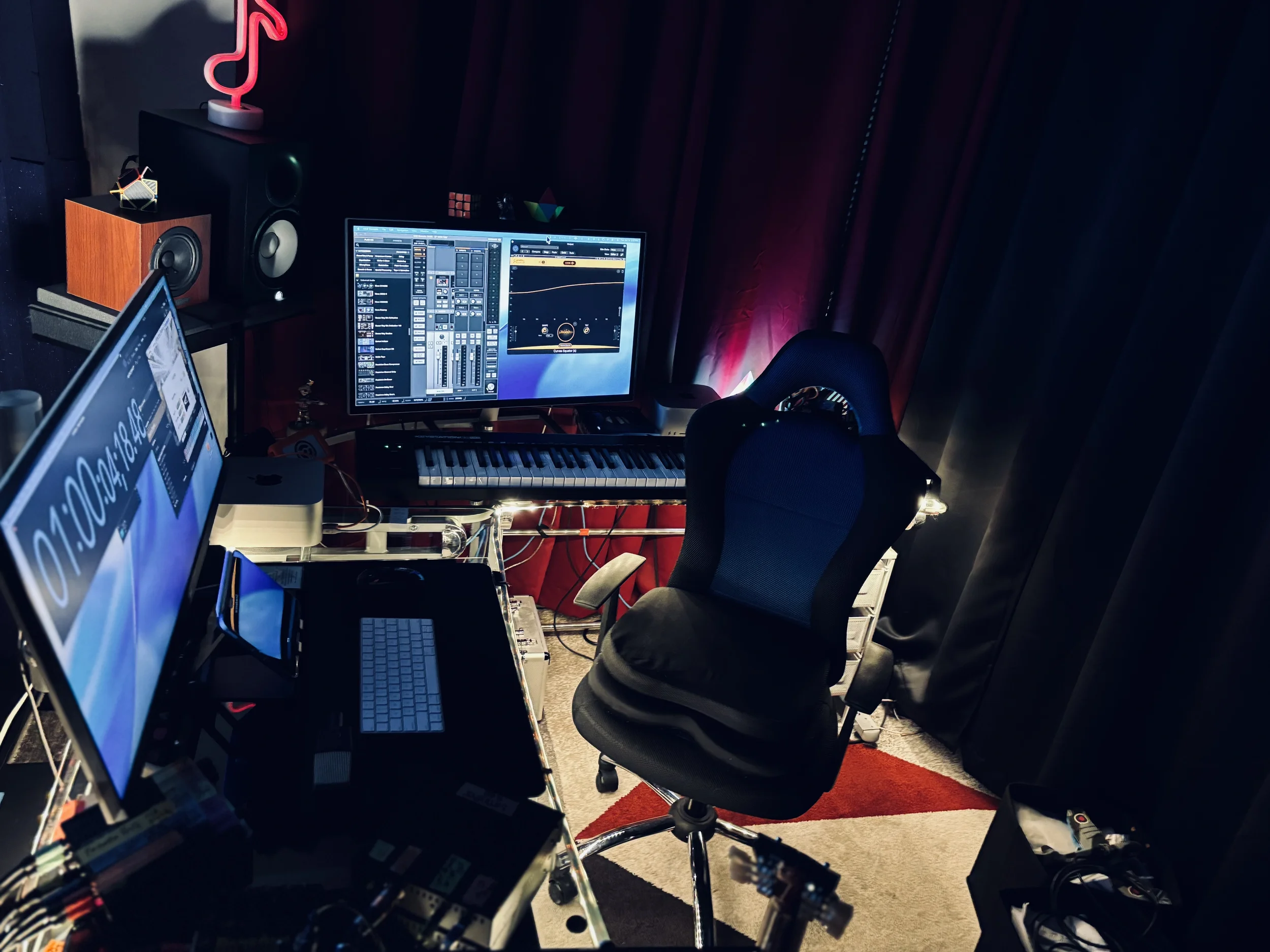
Arrangement is the process of organising all musical elements into a cohesive, dynamic whole. It determines what plays when, what gets removed, and how the energy of the song moves from beginning to end. It's the difference between a demo and a record that sounds complete.
This stage adds synths, strings, pads, percussion, and counter-melodies — while making deliberate decisions about what to leave out. Restraint is as much a skill as addition.
Book a free 30-minute consultation
Mixing takes all recorded and arranged elements and balances them into a single, cohesive sonic picture. Every instrument, vocal, and programmed element gets its place in terms of volume, frequency space, and stereo position.
Core tools include EQ for shaping frequencies, compression for controlling dynamics, reverb and delay for depth, and automation to serve the song's emotional arc.
Mastering optimises the finished mix as a whole for loudness, tonal consistency, and compatibility across all playback systems and platforms. A mastered track is ready for the world.
Different platforms have different standards: Spotify, Apple Music, YouTube, radio, and vinyl each require specific considerations. Leave adequate headroom in your final mix typically −6dBFS or lower.
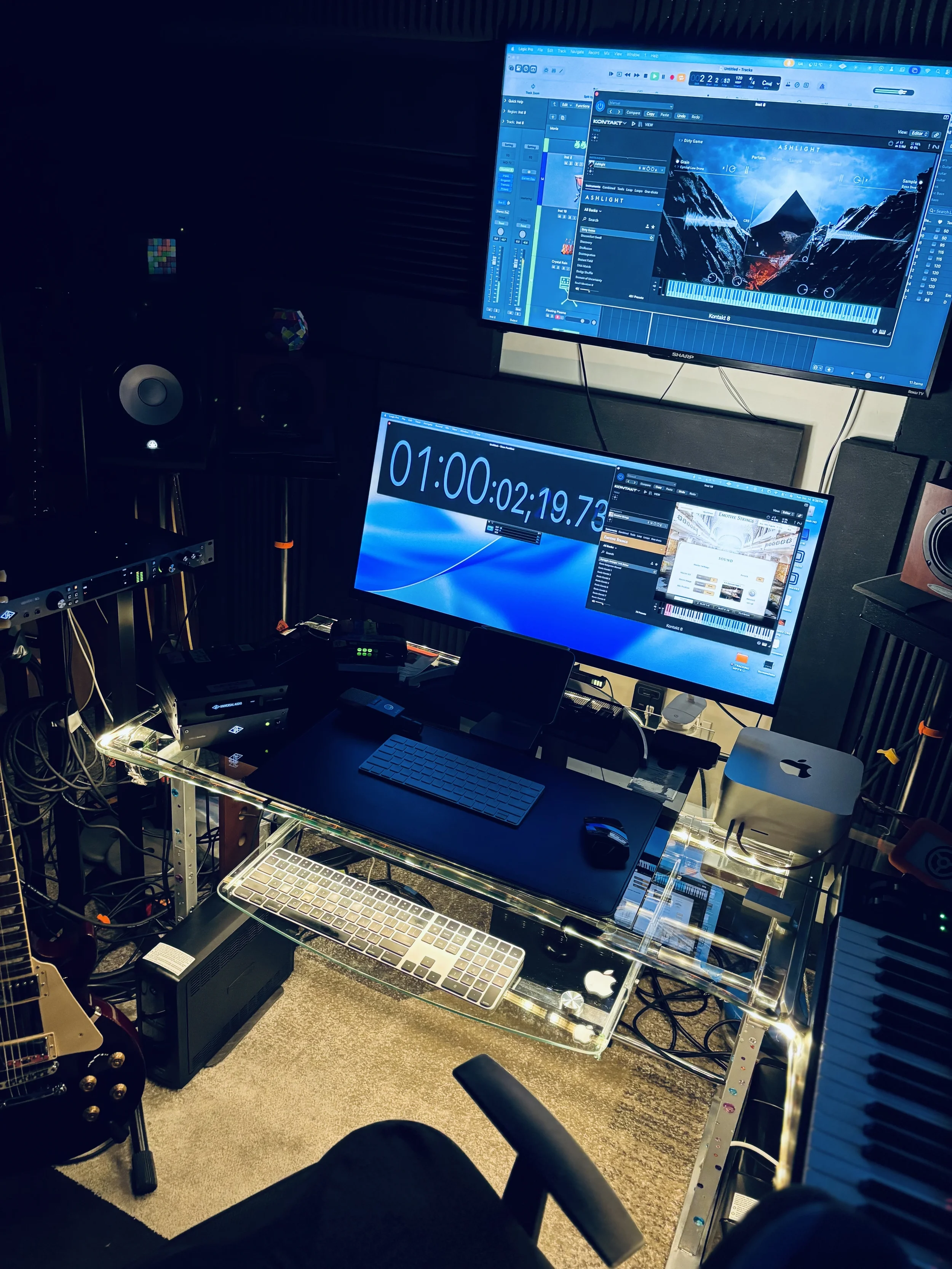
Once mastering is complete, distribution gets your music onto Spotify, Apple Music, YouTube Music, Amazon Music, Tidal, SoundCloud and more. Services like DistroKid, CD Baby, and TuneCore handle delivery, royalty collection, and reporting.
Accurate metadata — artist name, track title, ISRC code, genre, production credits — ensures your track is correctly attributed, registered for royalties, and discoverable.
Common Mistakes to Avoid
Frequently Asked Questions About Music Production
-
It depends on the scope. A single track with full pre-production, recording, mixing, and mastering typically takes four to eight weeks. An EP generally runs two to four months. A full album can take anywhere from four months to over a year depending on complexity, the number of recording sessions, and the revision process. Your producer should provide a realistic timeline estimate at the start of the project.
-
Music production costs in Canada vary significantly based on the producer's experience, studio setup, and scope of services included. A professionally produced single might range from $1,500 to $5,000 or more. Full album projects can run considerably higher. Always ask for a written breakdown of what's included pre-production, recording, mixing, mastering, and revisions may be bundled or priced separately.
-
Yes and many artists do, with genuinely good results. Home production has real advantages: lower cost, creative flexibility, and the ability to work at your own pace. The limitations typically show up in acoustic environment quality and monitoring accuracy. For releases intended for professional distribution or sync licensing, working with a professional producer at some stage even just for mixing and mastering consistently elevates the result.
-
At a minimum: a computer running a DAW (Logic Pro, Ableton, Pro Tools, or GarageBand to start), an audio interface, a condenser microphone, studio headphones or monitors, and basic acoustic treatment for your recording space. The quality of your recordings improves significantly with better microphones and a treated room. Start with what you have and invest strategically as your projects demand it.
-
Look for demonstrated experience in your genre, a portfolio you can listen to and verify, strong references from past clients, and a communication style that feels like a genuine partnership. Ask specifically about their process, their revision policy, and what's included in their pricing. Choosing the right music producer in Vancouver involves more than comparing rates fit and process matter as much as technical skill.
-
A recording engineer handles the technical side of capturing sound microphone placement, signal routing, console operation, and session management. A producer shapes the creative direction of the project arrangement, sound selection, performance guidance, and overall vision. Many modern producers handle both roles, especially in smaller studio setups, but they're distinct disciplines that require genuinely different skill sets.
-
Technically yes but it's worth avoiding if possible. Changes after mastering typically require revising the mix, which then needs to be re-mastered, adding both time and cost to the project. This is why finalising all mix decisions before the mastering stage matters. Minor metadata or distribution errors can usually be corrected without affecting the audio, but changes to the music itself mean going back to the mix.
Vancouver Music Production Studio
Ready to produce your next track?
Every project starts with a conversation. Let’s talk about your sound, your goals, and what it takes to get there.
